
frosted glass cut to size
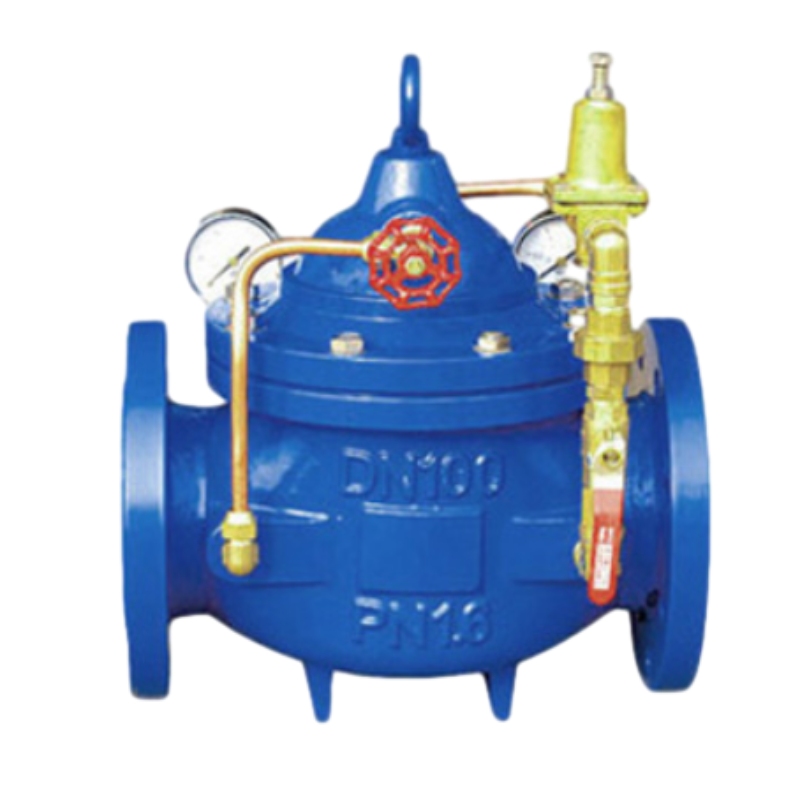
Understanding Pressure Water Valves A Comprehensive Guide Pressure water valves are critical components in various plumbing and industrial systems, playing a crucial role in maintaining efficient water flow and ensuring safety. In this article, we will explore the principles of pressure water valves, their various types, applications, and maintenance practices. What is a Pressure Water Valve? A pressure water valve is a device designed to control the pressure of water within a system. By regulating the amount of water that flows through pipelines, these valves prevent potential damage to the infrastructure and ensure that the water pressure remains within safe operational limits. They are widely used in residential, commercial, and industrial settings. Types of Pressure Water Valves 1. Pressure Reducing Valves (PRVs) These valves automatically reduce and maintain the pressure of water entering a system. They are essential in preventing high-pressure damage to pipelines and appliances, ensuring that pressure levels remain safe for operation. 2. Pressure Relief Valves (PRVs) Often used as safety devices, pressure relief valves are designed to open and release excess pressure from a tank or pipeline to prevent catastrophic failures. They play a vital role in maintaining the integrity of water storage systems. 3. Pressure Regulating Valves (PRGs) Similar to pressure reducing valves, pressure regulating valves maintain a consistent output pressure regardless of varying input pressures. This feature is critical for ensuring steady water flow in irrigation systems and other applications. 4. Float Valves These valves use a buoyant float to control water flow based on the water level in a tank. Commonly found in toilets and water storage tanks, float valves ensure that water levels remain balanced without overfilling. Applications of Pressure Water Valves Pressure water valves are used in a wide array of applications, including - Residential Plumbing In homes, pressure reducing valves prevent high water pressure from damaging pipes and appliances. This is particularly important in older homes where plumbing systems may not be designed to handle high pressure. pressure water valve - Irrigation Systems Effective agricultural practices rely on pressure regulating valves to maintain optimal water pressure for irrigation. This ensures uniform distribution and prevents water wastage. - Industrial Processes Industries that require precise water pressure for manufacturing processes depend on pressure relief and reducing valves to maintain operational safety. These valves safeguard against fluctuations that could lead to equipment failure or safety hazards. - Water Treatment Facilities In municipal water systems, pressure water valves help in controlling the flow of treated water, ensuring that water distribution networks operate smoothly. Maintenance of Pressure Water Valves Proper maintenance of pressure water valves is essential for ensuring their longevity and functionality. Here are some best practices 1. Regular Inspection Schedule routine inspections to check for signs of wear, corrosion, or leaks. Address any issues promptly to prevent escalation. 2. Cleaning Over time, sediment and debris can accumulate within valves, affecting their performance. Clean the valves as necessary, especially in areas with hard water. 3. Calibration For valves that require precise pressure settings, regular calibration is vital. Ensure that the pressure settings are aligned with the system’s requirements. 4. Replace Worn Parts If any components of the valves show signs of damage or wear, replace them immediately to maintain optimal performance. 5. Professional Services Consider hiring professional services for complex systems or when dealing with critical infrastructure. Experts can provide comprehensive maintenance and ensure compliance with safety standards. Conclusion Understanding pressure water valves is essential for anyone involved in plumbing, irrigation, or industrial processes. By familiarizing oneself with the different types of valves, their applications, and maintenance practices, individuals and organizations can enhance water management systems, ensuring efficiency, safety, and longevity. As technology advances, the development of more sophisticated pressure water valves promises even greater reliability and performance in water management systems worldwide. By investing in quality valves and adhering to maintenance protocols, we can ensure the integrity of our water supply and protect our infrastructure for future generations.
about
frosted glass cut to size
How to Change a Main Water Valve Changing a main water valve may seem like a daunting task, but with the right tools and instructions, it can be accomplished by a homeowner with basic plumbing knowledge. The main water valve is essential for controlling the water supply to your entire house, making it crucial to ensure it is functioning properly. Here’s a step-by-step guide on how to change your main water valve safely and effectively. Tools and Materials Needed Before starting the process, ensure you have the following tools and materials 1. Pipe Wrench For loosening and tightening connections. 2. Adjustable Wrench Useful for securing fittings. 3. Screwdrivers Both flathead and Phillips for any screws present. 4. Teflon Tape For sealing threaded connections. 5. Basin Wrench If the valve is in a tight location. 6. Replacement Valve Ensure you have the correct size and type based on your current valve. 7. Bucket To catch any residual water when you remove the old valve. 8. Safety Goggles and Gloves For protection during the process. Step 1 Locate the Main Water Valve The first step is to locate your main water valve. It is typically found near where the water line enters your home, often in the basement, crawl space, or on an exterior wall. The valve may look like a round wheel or a lever. Familiarizing yourself with its location is important, as you will need to turn it off before replacing it. Step 2 Turn Off the Water Supply Once you’ve found the valve, turn it off by rotating it clockwise. If it’s a lever valve, simply turn the lever perpendicular to the piping. This action will stop the flow of water into your home. To verify that the water is off, turn on a faucet in the house and ensure that there is no water flow. Step 3 Drain the Pipes After shutting off the main water valve, it’s necessary to drain any remaining water from the pipes. Open the lowest faucet in your home to allow air into the system, which will help drain the remaining water out. Placing a bucket underneath the valve can help catch any water that spills during the removal process. how to change main water valve Step 4 Remove the Old Valve Using the pipe wrench, begin loosening the nuts that secure the main water valve to the pipes. If the valve is rusty or stuck, you may need to apply penetrating oil and allow it to sit for a while before attempting to loosen it again. Be careful to hold the pipe securely to avoid damaging it. Once the nuts are loosened, remove the old valve completely. Step 5 Install the New Valve Before installing the new valve, wrap the threaded ends of the pipe with Teflon tape. This will help create a watertight seal and prevent leaks. Next, position the new valve in place and hand-tighten the nuts to secure it. After ensuring it's correctly aligned, use the adjustable wrench to further tighten the connection. Be cautious not to overtighten, as this can damage the valve or pipes. Step 6 Turn the Water Supply Back On Once the new valve is securely in place, return to the main water valve and turn it back on by rotating it counterclockwise or moving the lever back to its original position. After turning it on, check for leaks around the new valve and the connections. If you notice any leaking, you may need to tighten the connections slightly. Step 7 Test the System With the new valve installed and no leaks detected, test the system by turning on several faucets throughout your home. This will help you ensure that the water is flowing correctly and that there are no air pockets. If the water pressure is inconsistent or if you note any issues, you may need to further troubleshoot your plumbing system. Conclusion Changing a main water valve can be a straightforward task if you approach it methodically and with the right tools. Regular maintenance of your plumbing system, including the main water valve, can prevent significant issues down the line. If at any point you feel unsure or encounter difficulties, consider consulting a professional plumber to ensure the work is completed safely and effectively. Remember, taking proactive steps can save you time and money in the long run.
-

High quality industrial productsagement

High quality industrial products
View Details -

Meet the diverse needs of customers

Meet the diverse needs of customers
View Details -

Strict quality control

Strict quality control
View Details -

Top raw materials

Top raw materials
View Details -

Trusted supplier

Trusted supplier
View Details


 English